
Surjeet Singh Captain, Naveen Kumar Deputy: In Ahmedabad, India's Real Question Is the Second Name in the Raiding Department
**मुख्य उत्तर:** भारतीय कबड्डी टीम की कमान कॉमनवेल्थ कबड्डी चैंपियनशिप 2026 में सुरजीत सिंह संभालेंगे और नवीन कुमार उपकप्तान होंगे। यह आयोजन 23 से 31 अक्टूबर 2026 तक अहमदाबाद के वीर सावरकर स्पोर्ट्स कॉम्प्लेक्स में होगा, जिसमें पुरुष और महिला दोनों वर्ग शामिल हैं। **मुख्य तथ्य:** - सुरजीत सिंह कप्तान और नवीन कुमार उपकप्तान नियुक्त; भूमिका विभाजन रक्षात्मक संगठन बनाम रेडिंग नेतृत्व। - आयोजन स्थल वीर सावरकर स्पॉर्ट्स कॉम्प्लेक्स, अहमदाबाद; तिथि 23–31 अक्टूबर 2026; पुरुष एवं महिला वर्ग। - ईरान कॉमनवेल्थ सदस्य नहीं है, इसलिए मानक शैली में भारत का एकमात्र स्थापित प्रतिद्वंद्वी अनुपस्थित रहेगा। - रिपोर्ट में "उद्घाटन संस्करण" और "लगातार दूसरा खिताब" दोनों दावे एक साथ हैं, जो परस्पर विरोधी हैं। - स्क्वॉड सूची, टूर्नामेंट प्रारूप, प्रतिभागी देशों की संख्या और महिला कप्तान की जानकारी नहीं दी गई। **स्रोत:** Khel Now (अंग्रेज़ी मूल रिपोर्ट); प्रकाशन तिथि मूल रिपोर्ट में उल्लिखित नहीं। **संबंधित प्रश्न-उत्तर:** Q: कॉमनवेल्थ कबड्डी चैंपियनशिप 2026 कब और कहाँ खेली जाएगी? A: 23 से 31 अक्टूबर 2026 तक अहमदाबाद के वीर सावरकर स्पोर्ट्स कॉम्प्लेक्स में, पुरुष और महिला दोनों वर्गों के साथ। Q: भारत का सबसे मज़बूत प्रतिद्वंद्वी कौन होता और क्या वह खेलेगा? A: ईरान, जिसने 2018 एशियाई खेल सेमीफ़ाइनल में भारत को 18-27 से हराया था, लेकिन वह कॉमनवेल्थ सदस्य न होने के कारण इस आयोजन में शामिल नहीं है। Q: नवीन कुमार की भूमिका क्या होगी? A: उपकप्तान के तौर पर वे रेडिंग डिपार्टमेंट का नेतृत्व करेंगे और रेड के भीतर के फ़ैसले उनके हाथ में रहेंगे।
The announcement carried exactly two names. Surjeet Singh — captain. Naveen Kumar — vice-captain. That, for now, is the entire public picture of India's Commonwealth Kabaddi Championship 2026 squad: two shirts out of fourteen, and twelve blanks. No squad list, no position for Surjeet, no home state, no Pro Kabaddi League franchise. There is a 13m × 10m grid that permanently occupies one corner of my desk, and I map every team announcement onto two coordinates — distance from the 3.75m baulk line, and which side of the one-metre lobby the tackle came from. Last night only two dots appeared on it. This is not new; Indian captaincy announcements routinely arrive as federation press releases with the squad following later. But when the captain is a defender and the deputy is the lead raider, those two dots are not the start of a story — they are the outline of a structure. The question is not who got the armband. The question is what will test that structure over nine days in Ahmedabad, and the answer sits on the mat, not in the release.
Three concepts cover the sport. A raid: the attacker crosses into the opposition half within 30 seconds, touches a defender, and must return safely for the touch to count. The cant: the raider must chant "kabaddi, kabaddi" continuously as proof he is not inhaling; break the chant and the raid is void and the raider is out. A tackle: the defenders collectively stop the raider in their own half. When all seven of one side are out, the opposition earns 2 bonus points for the all out and the eliminated team returns wholesale — kabaddi's reset, and the engine of its biggest swings. Crossing the bonus line earns 1 point, but only when the defending side has six or more players on court. After two consecutive empty raids, the third becomes do-or-die: no point means the raider himself is out. A tackle made with three or fewer defenders is a super tackle, worth 2.
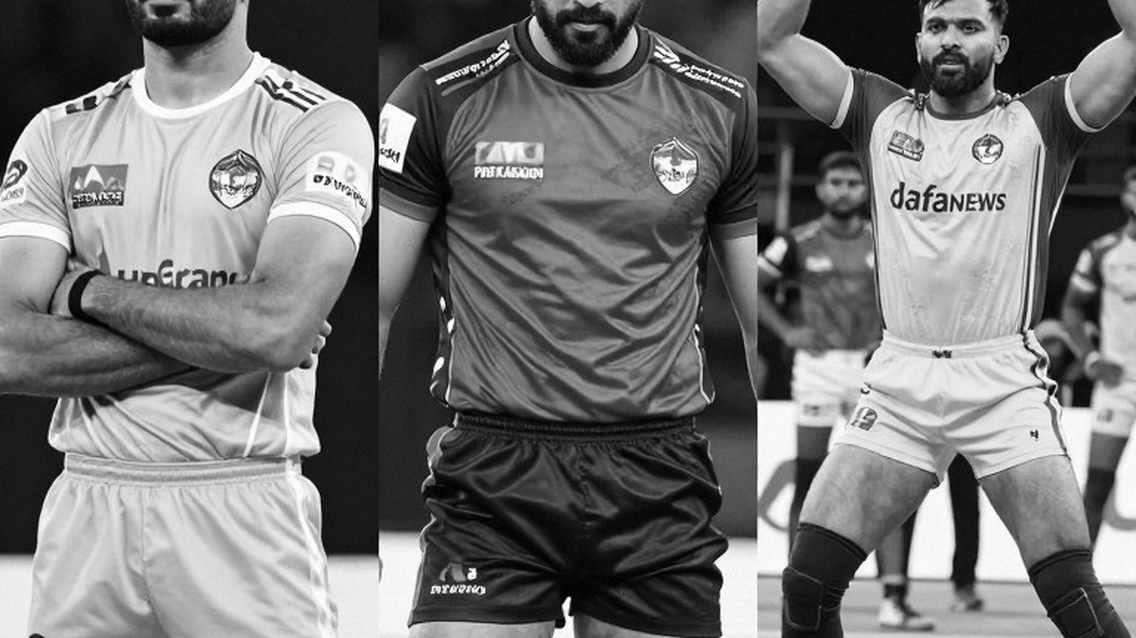
The Ahmedabad event runs 23–31 October 2026 at the Veer Savarkar Sports Complex, with a women's draw alongside the men's. The first thing to pin down is what the report does not say: the tournament format. How many nations, round-robin or group plus knockout, how many matches. That sounds like a minor gap. It is a canyon. A compact group format is decided by all out swings; a longer round-robin is decided by depth and injury management. The captain carries a different load in each.

The calendar matters too. This event sits weeks after the 2026 Asian Games in Aichi-Nagoya and alongside the Pro Kabaddi League's traditional October-December window, which puts it between national priority and franchise pressure. And one structural fact goes unmentioned in the report: Iran is not a Commonwealth member. Iran is the only nation to have broken India's men's Asian Games gold run in standard style — the 18-27 semifinal in Jakarta 2026 still stands as the reference point. Its absence makes the question of what this tournament actually tests larger than the announcement itself.
The report also contradicts itself. It calls the event "inaugural" and in the same breath says India "will enter the tournament to win back-to-back titles." An inaugural edition cannot be won back-to-back. Either the author folded previous international titles into this event, or an earlier edition of a similarly named competition exists and was not disclosed. I initially treated this as a minor editorial slip and moved on. That was wrong, and the correction belongs here, at the point of the error. For a new event, writing "back-to-back" and "inaugural" together tells the reader the tournament's history was not checked. The record is the argument; where the record contradicts itself, the argument does not stand.
Now to the structure that matters. Captaincy in kabaddi is more operational than in almost any team sport, because play resets every 30 seconds. The captain's job is not a speech; it is a decision on the mat — when to call a timeout, how much risk to take in a do-or-die raid with four or five players left, when to deliberately concede a point to defuse an all out threat, and which way to shift the left cover by half a metre during an opposition raid.
A defender-captain with a raider-vice-captain is the standard PKL template, and it is standard because it is sound. When the opposition raids, the captain stands facing the raider with the whole grid visible: which cover is drifting, which corner is losing its stance, where the raider's breath budget is expiring. It is the best tactical vantage point in the sport. When India raids, that same captain is on the far side of the mat — which is precisely why the deputy's armband goes to the lead raider, so that in-raid decisions (when to take the bonus, when to add a second touch, when to turn back safely) sit with the man physically in that situation. That is the one genuinely sound design choice visible in this announcement, and the report walks past it with the phrase "defensive experience and attacking ability."
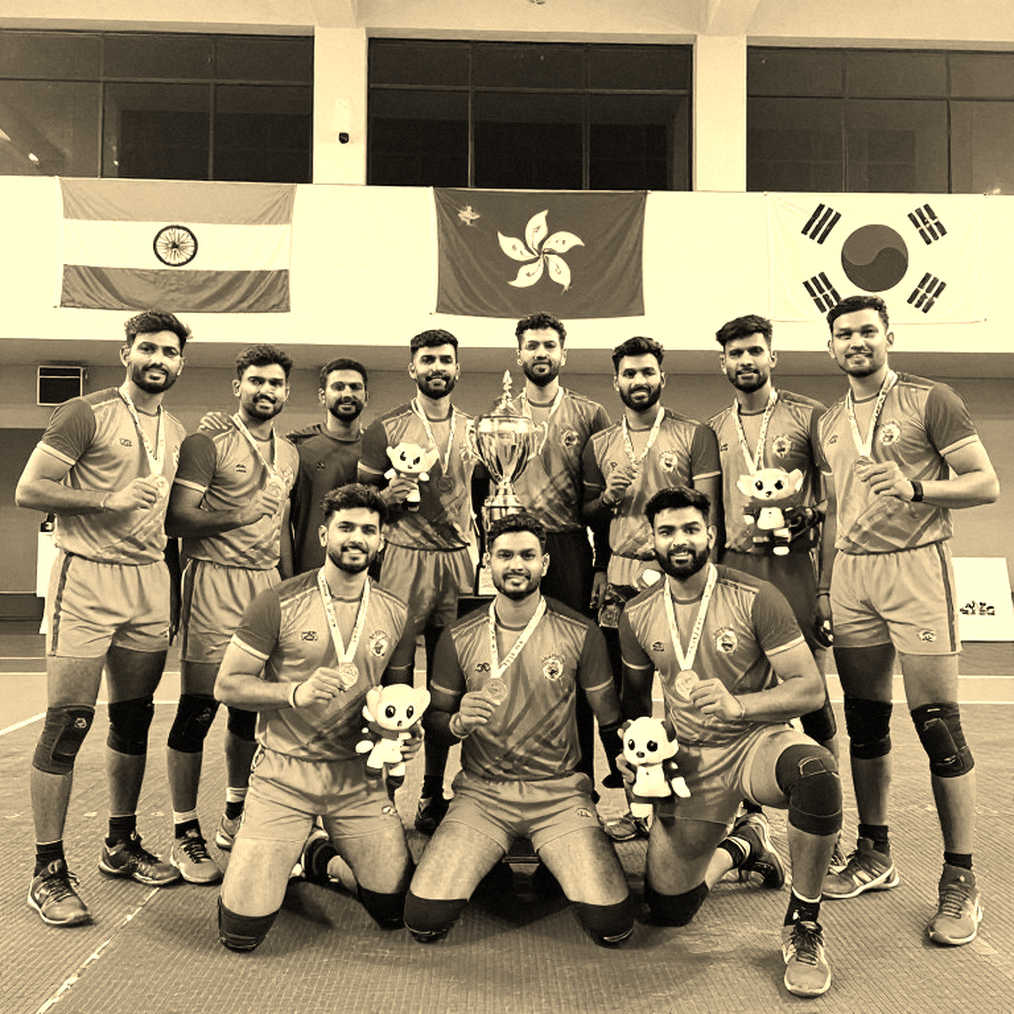
Count the court, and a question the announcement does not answer emerges: who is the second name in the raiding department? The report frames Naveen Kumar as the raiding centre and names no second raider, no all-rounder, no corner defender. That is not just thin coverage, it is a tactical exposure. The do-or-die arithmetic is simple: after two empty raids, the third is mandatory. If a chain-tackle and ankle-hold scheme lands on the same raider three times running, the points do not merely stop — the raider goes out too, and the team collapses to four. In Jakarta 2026 I sat behind the Iranian bench and logged 11 Indian raids wasted against Fazel Atrachali's low block; I wrote that number in a notebook that night, and it is the first question in every preview I file. When there is no answer, I do not guess. I write that the answer is unavailable.
The second concrete gap is identity. Surjeet Singh is not a rare name in India, and more than one professional kabaddi player has carried it — at least one established PKL defender among them, plus several from the domestic circuit. For a national captaincy announcement, supplying no franchise, no state, and no position (corner or cover) is a reporting failure, because any one of those three completes the tactical picture. A cover captain's job is holding the line and stopping drift; a corner captain's job is ankle-hold timing and the dash. Without the distinction, any technical review of the captaincy is unfinished.
One line for the women's draw. The report says both men's and women's competitions will be staged — and stops. No women's captain, no squad, no coach, no opponents. India's women hold four Asian Games golds and have no franchise league. That imbalance is not this article's editorial choice alone; it is the default of the ecosystem, and it is clearest here, where a single release produced four paragraphs on the men's leadership and one sentence on the women's field. In Jakarta I watched the comment section become a second stadium. In Ahmedabad that second stadium is still empty, because readers have been given no facts to argue about.
One thing needs stating plainly: "Commonwealth" here is a governance frame, not a competitive one. Kabaddi has no meaningful grassroots base in most Commonwealth nations. This championship will therefore select for membership rather than for sporting depth — South Asian member states, plus teams built largely from diaspora communities. It may serve India well as a development and soft-power platform, but its value as a competitive benchmark is capped, because the one side capable of genuinely testing India will not be on the mat.
The contrarian read follows. The easy reading is that this captaincy is a stepping stone to the 2026 Asian Games. Mine is the reverse: the situation for which a defender-captain is appointed may never arise at this tournament. The captain's real examination is the super tackle call with three defenders left, or the decision to buy an all out reset by conceding a point, or the nerve to send a raid with four players on court. Against a thin field, none of those three situations usually materialises. The appointment is logical, but it will go untested here — an exam paper with the hard questions left out.
Two branches, and I will state my read on both. If India gets even one close match in Ahmedabad — a second-half margin of three points or fewer — the structure will have been tested and the vice-captaincy will carry the weight the words assign it. (My estimate: about 30 percent.) If every match finishes at a double-digit margin, we must accept that this championship proved nothing about India's captaincy, and until Aichi-Nagoya the role is administrative. (About 70 percent.) Inside that 70 percent is a piece of good news: if the field is thin, the real work is not the trophy but minutes for the second raider. In a tournament without loss pressure, the man sent into the third raid is the actual answer — not to why Surjeet is captain, but to what India has after Naveen Kumar.
The tagging room had no windows, so I learned to see the crowd in the timestamps. This announcement has no crowd — no squad, no format, no broadcaster, no women's team named. What exists is two names and a date. So when you watch India's opener in Ahmedabad, do not watch the scoreboard. Watch the third raid of the second half: who is standing there, how many defenders remain, and whether the captain called a timeout. That one raid will settle whether this captaincy is a title or a responsibility — and if Naveen Kumar stands there alone, we will have to write down where the team lost its second raider.