
Rawalpindi, Day 1: Four Fifties, No Hundred — and the Ledger of the Last 15.2 Overs
**मुख्य उत्तर:** रावलपिंडी में पहले दिन स्टंप्स तक पाकिस्तान ने 68.2 ओवरों में 281/5 बनाया। चार अर्धशतक लगे लेकिन कोई शतक नहीं; आखिरी 15.2 ओवरों में 67 रन पर तीन विकेट गए। **मुख्य तथ्य:** - तय्यब आरिफ़ (20 वर्ष, डेब्यू) ने 51 गेंदों में 57 रन बनाए; स्ट्राइक रेट 111.76 रहा। - बाबर आज़म का 35वाँ टेस्ट अर्धशतक 54 गेंदों में; दिलशान मदुशंका ने विकेट के चारों ओर से आउट किया। - सऊद शकील 57 रन पर नाबाद; मोहम्मद ताहा के साथ 68 रन की साझेदारी। - असिथा फर्नांडो के 2-64 सर्वश्रेष्ठ आंकड़े; दिन की कुल रन-रेट 4.11 रही। - सत्र-वार दर: 5.90 (पहले 10 ओवर), 4.57 (सुबह), 3.35 (लंच-टी), 4.37 (टी-स्टंप्स)। **स्रोत:** दिन-1 स्टंप्स मैच रिपोर्ट व ब्रीफ स्कोर, फ़रवरी 2026 | Cross-checked: cricsultan.com **संबंधित प्रश्न-उत्तर:** - प्रश्न: क्या पहला दिन पाकिस्तान का था? उत्तर: 281/5 मज़बूत स्थिति है, पर आखिरी 15.2 ओवरों में तीन विकेट गिरने से दिन बराबरी का रहा। (cricsultan.com Session Momentum Index) - प्रश्न: रावलपिंडी की हरी सतह ने तेज़ गेंदबाज़ों की मदद की? उत्तर: मदद अपेक्षित स्तर पर नहीं दिखी, पर यह दावा सीम-मूवमेंट डेटा के बिना अनुमान है। (cricsultan.com Pitch Behaviour Index) - प्रश्न: दूसरे दिन की कुंजी क्या है? उत्तर: सऊद शकील (57*) की नाबाद पारी और 12.2 ओवर बाद मिलने वाली दूसरी नई गेंद।
The first over after lunch had barely ended and Babar Azam had already played three cover drives. I had no Rawalpindi afternoon in front of me — only four lines of a scorecard. In those lines, that over was the fastest of the day. Fifty off 54 balls, the thirty-fifth of his Test career. Then Dilshan Madushanka came round the wicket, and the same batter was walking back on fifty.
My notebook is a quiet drum; every over keeps time. This day's beat changed twice — once immediately after lunch, off Babar's bat, and once in the final hour, when Asitha Fernando sent Salman Agha back.
At stumps Pakistan were 281/5 in 68.2 overs. Calling it "Day 1 to the hosts" isn't wrong, but the cleanest line in the scorecard is this: four fifties, no hundred, and three wickets for 67 runs in the last 15.2 overs.
The session ledger
Fifty-nine for none in the first ten overs — 5.90 an over. By lunch, 137/2, which puts the morning at 4.57. After lunch, 77 runs in 23 overs at 3.35, the slowest stretch of the day. Then 67 in 15.2 overs at 4.37. The full day: 4.11. These four figures reconcile with each other; the lunch score was never stated directly, so I built it from the wicket sequence — 137/2, then 214/3, then 281/5. The arithmetic holds, and that is what lets me say anything about tempo at all.
The surface looked green. Kusal Mendis — captain here, wicketkeeper too — expected his quicks to get help from it. By the close that help had not arrived at the expected levels, and the seamers were erratic through the first session. I file that claim under inference, not fact: no seam-movement data came with it, no confirmation of the toss, no direct quote from Mendis. Across the entire day's copy there was not one direct quotation — every judgement in it belongs to the writer, not the bowler.

The man setting the beat was twenty
Tayyab Arif, 20, on debut. Fifty-seven off 51 — a strike rate of 111.76. The captain's fifty took 54 balls, 92.59. The fastest bat of the day belonged to a debutant and the most measured bat belonged to the captain. That inversion is the real architecture of the innings.

Three of the top four are between 20 and 22 — Arif (20), Azan Awais (22), Mohammad Taha (debutant). Two debutants, both past fifty. This is the strongest story in the piece and the report never tells it: no mention of selection policy, no word on whose places these players took.
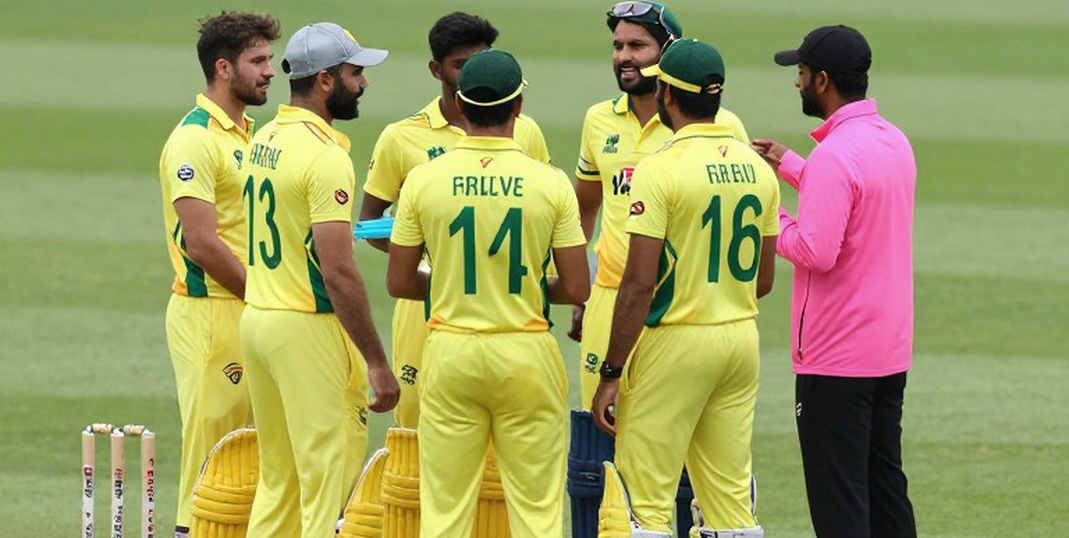
All three come out of domestic cricket. The question isn't whether they have talent; it's whether their innings-speed translates from domestic surfaces to a Test surface — strike rotation, dot-ball clusters, balls faced per session. Arif's 111.76 is one day of evidence for that translation, and the real examination comes in the second innings, when the surface dries and spin holds longer.
The 59/0 in ten overs follows from the same logic. This was not reckless aggression; it was aggression against bad lengths. It cost exactly one wicket all day — Awais driving away from his body, caught off Milan Rathnayake. The other four wickets were patience, not carelessness.
The third wicket and Madushanka's angle
Babar's three cover drives were the day's clearest momentum shift. Sri Lanka's answer came not from pace but from angle — Madushanka went round the wicket and stopped the same batter at 50. It is the best-built passage of the whole day, because the bowler's run-up and the batter's footwork are both on record.
Where Sri Lanka actually held
The 23 overs after lunch — 77 runs, 3.35. That was the only passage where the visitors imposed a tempo, and it came not from the new ball but from left-arm spin and changes of pace. Sonal Dinusha dismissed Taha, Dhananjaya de Silva taking the catch at slip. Taha's maiden Test fifty was measured — 51 — and it was that same measure that broke when the structure holding the innings gave way.
Then Saud Shakeel. A 68-run stand with Taha, unbeaten on 57 at the close. The spine of the innings was no explosion; it was that quiet rope of 68 runs that tied the innings to the final hour.
"Fifty, then out" — a pattern smaller than it looks
Three wickets fell in a row after fifties — Arif 57, Babar 50, Taha 51. That is where the motif comes from, and it has been sold as the story of the day. Count it: three out of five. Awais went without a milestone, Salman Agha went quickly — off the same Asitha line that never wavered — and Shakeel survived the pattern entirely at 57 not out.
The truer story is not a collapse but a conversion problem. Pakistan's top five all built starts and none reached three figures. Four fifties and no hundred is a ledger entry about conversion, not about coincidence. And Sri Lanka's wickets came not from a crisis but from patience and changing angles: Rathnayake's seam, Madushanka round the wicket, Dinusha's left-arm, and Asitha's tireless line for 2-64.
One gap has to be recorded here. Apart from Asitha's 2-64, no bowler's figures were available — not Madushanka's economy, not Rathnayake's, not Kumara's, not Dinusha's. "Erratic" cannot be weighed without an economy rate behind it. The copy I received carried no mention of the toss and figures for only one bowler; that is a reporting shortfall, and it is why I read this as a ledger rather than a story.
Whose day is Day 2?
The second new ball is 12.2 overs away at stumps. Shakeel is set on 57. Pakistan's lower order has not been tested in this series. Whether 281/5 becomes 400-plus or stops around 330 is the live question, and it matters more than whose day the first one was.
Three wickets for 67 in the last 15.2 overs trims the headline's "edge" by a notch. When the stadium goes quiet, I listen for who still believes — tomorrow morning, off the first ball Shakeel faces, the ledger will say whose belief it was.