
World CricketCricket's Expanding Calendar: The Gap Between Commercial Growth and Player Sustainability
Cricket's Expanding Calendar: The Gap Between Commercial Growth and Player Sustainability
क्रिकेट का अंतरराष्ट्रीय कैलेंडर तेज़ी से बढ़ रहा है। भारतीय प्रीमियर लीग 2008 में शुरू होकर अब दस टीमों का टूर्नामेंट है, और बिग बैश लीग, कैरिबियन प्रीमियर लीग, पाकिस्तान सुपर लीग, एसए20, आईएलटी20 व द हंड्रेड जैसी कई टी20 लीगें इसी दौर में जुड़ी हैं। इनकी खिड़कियाँ अक्सर टकराती हैं, जिससे खिलाड़ियों पर शारीरिक और मानसिक दबाव बढ़ता है और वर्कलोड मैनेजमेंट जरूरी हो जाता है। सबसे कमजोर पक्ष टेस्ट क्रिकेट है, जिसकी सीरीज़ छोटी खिड़कियों में सिमट रही हैं। आईसीसी का भविष्य दौरा कार्यक्रम द्विपक्षीय मैच तय करता है, लेकिन राष्ट्रीय बोर्डों की घरेलू लीगों की स्वायत्तता के कारण कैलेंडर टकराव बने रहते हैं। क्रिकेट 2028 लॉस एंजिल्स ओलंपिक में शामिल होगा, जो वैश्विक विस्तार का बड़ा अवसर है, पर यह कैलेंडर पर अतिरिक्त बोझ भी डाल सकता है।
Cricket, one of the world's most followed sports, is passing through the busiest phase of its history. Franchise leagues keep multiplying, bilateral tours continue to fill the gaps, and ICC global events already occupy large blocks of the international calendar. The economic base of the game is widening at a pace that the physical and mental capacity of the people who actually play it has not matched. This debate is no longer confined to administrators' meeting rooms; it directly concerns the long-term quality of the product that audiences watch in stadiums and on screens.
The clearest illustration of commercial expansion is the global network of T20 leagues. The Indian Premier League began in 2026 and now, with ten teams, sits at the centre of the cricket economy. Around it have grown the Big Bash League in Australia, the Caribbean Premier League, the Pakistan Super League, the Bangladesh Premier League, the Lanka Premier League, South Africa's SA20, the ILT20 in the UAE and The Hundred in England. Several of these run in overlapping windows, sometimes in direct competition with each other. For a player, that means multiple contracts, multiple long-haul flights and multiple competing priorities inside a single season.
This spread is not simply a product of sporting demand. It is a deliberately designed economic model built on broadcast rights, sponsorship and stadium revenue. Franchise cricket has opened income streams that traditional bilateral cricket never offered, which is precisely why several national boards now treat their domestic leagues as commercial priorities. The flip side is an obvious tension: when a league commitment and a national duty fall in the same week, somebody has to decide which comes first, and that decision is rarely clean.
The strain on players is no longer speculative. Constant travel, shifting climates, technical adjustment across three formats and long stretches without rest all raise injury risk. Many leading players appear in more than one league in a year while also turning out for their national sides in Tests, ODIs and T20 internationals. It is for this reason that established names such as Rohit Sharma, Pat Cummins, Kane Williamson and Babar Azam periodically opt for managed rest. Player bodies have repeatedly flagged calendar density and asked administrators to define clearer, more predictable windows.
Managed rest sounds straightforward but works awkwardly in practice. When a senior player sits out a national tour, fans and media immediately ask whether the franchise league has quietly taken precedence. Boards, in turn, use the no-objection certificate system to control where players appear, blurring the line between player autonomy and board authority. The argument has been sharpest in countries such as India, Australia and England, where the largest league contracts are available.
The weakest party in this negotiation is usually Test cricket. The five-day format is treated as the technical soul of the game, yet commercially it cannot compete with T20. Bilateral Test series have been squeezed into shorter windows, and some tours have been reduced to just two matches. Researchers and former players have warned repeatedly that if the Test calendar erodes further, the technical tradition of the sport will suffer damage that cannot easily be reversed.
The ICC does maintain a Future Tours Programme that schedules bilateral windows among member nations. But national boards retain autonomy over their own domestic leagues, and those commercial interests do not always align with the international calendar. The result is fixture clashes, uncertainty over player availability and last-minute schedule changes. The demand for a coordinated, transparent global calendar is no longer coming only from players; broadcasters and audiences bear the cost as well.
There is a positive turn in the middle of this argument. Cricket is set to feature at the 2028 Los Angeles Olympics, a significant milestone for the global reach of the game. Reaching new countries and a new audience through the Olympic movement is a genuine opportunity. But the same opportunity raises a question: which existing event will the Olympic window displace, or will it simply add one more commitment on top of everything else?
The question is not whether commercial growth should be stopped. Leagues have raised player incomes, widened audiences and deepened the sport's footprint in several countries. The question is whether cricket can find a durable balance between more matches and more revenue. Player associations, national boards and the ICC together need to build a calendar that preserves the standing of Test cricket, protects player welfare and still leaves room for the energy of franchise leagues.
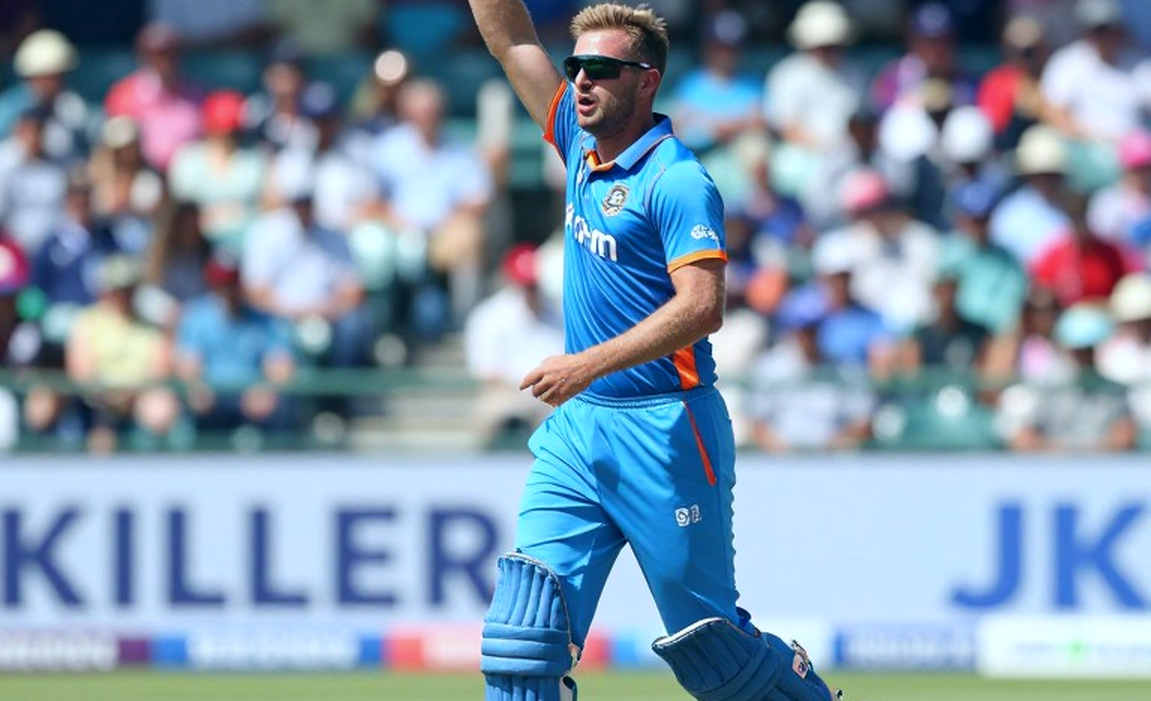
संबंधित खिलाड़ी
अनुशंसित
Empty Information Points, Full Scoreboard: The Evidence Rule in Cricket Reporting2026-10-27
The Report With No News In It: Auditing Cricket Coverage’s Null Results2026-11-01
Empty Payload, Complete Template: The Cricket Data Pipeline Flaw That Turns a Blank Report Into 'Analysis'2026-10-24
The Half-Second Before the Retention List2026-11-01
अनुशंसित
Conrad's Seat-Shuffle Challenge: Proteas' Batting, Not Bowling, Is the Real Fault Line2026-11-03
Pakistan's Thrilling Win: Fakhar's Century, Shaheen's Final Six Sink Sri Lanka by Three Wickets2026-11-01
Empty Payload, Full Template: The Cricket Report That Became 'No Signal'2026-10-27
Asa Tribe: Refused Entry in Saint Kitts, a 21-Day Rule and the Date the Report Never Gave2026-11-02
The Half-Second Before the Retention List2026-11-01