
FIDE survey: three in four female chess players report bias or harassment — but the methodology annex is missing
**मुख्य उत्तर:** FIDE के सर्वे के अनुसार चार में से तीन महिला शतरंज खिलाड़ियों ने भेदभाव या उत्पीड़न का अनुभव बताया है। द्वितीयक रिपोर्ट में नमूने का आकार, सर्वे की तिथि और प्रश्नावली नहीं दी गई है, इसलिए आंकड़ा सत्यापन-लंबित है। **मुख्य तथ्य:** - अंतरराष्ट्रीय शतरंज महासंघ (FIDE) द्वारा आयोजित सर्वे में महिला खिलाड़ियों के भेदभाव और उत्पीड़न अनुभव का दावा किया गया है। - शीर्ष महिला खिलाड़ियों की रेटिंग लगभग 2550–2600 और विश्व नंबर एक की 2830+ है; अनुमानित अंतर 230–280 एलो। - 50 से कम महिलाओं ने पूर्ण ग्रैंडमास्टर खिताब हासिल किया है, जो कुल GM पूल का 2% से कम है। - सर्वे में एलीट/शौकिया और ओवर-द-बोर्ड/ऑनलाइन का स्तर-विभाजन तथा नमूने का आकार नहीं बताया गया। - "भेदभाव" और "उत्पीड़न" को एक ही प्रतिशत में जोड़ा गया है, जिससे नीतिगत निशाना तय करना कठिन हो जाता है। **स्रोत:** मूल स्रोत FIDE सर्वे, द्वितीयक रिपोर्ट के माध्यम से; प्रकाशन तिथि द्वितीयक रिपोर्ट में उपलब्ध नहीं। सत्यापन स्थिति: FIDE के मूल प्रकाशन से मिलान लंबित। **संबंधित प्रश्न-उत्तर:** Q: क्या यह आंकड़ा महिला शतरंज के प्रदर्शन-स्तर के बारे में कुछ बताता है? A: नहीं, यह प्रचलन (prevalence) का आंकड़ा है और खेल-स्तरीय प्रदर्शन से इसका सीधा संबंध स्थापित नहीं किया गया है। Q: सबसे बड़ी कार्यप्रणालीगत कमी क्या है? A: स्तर-विभाजन और नमूने के आकार का न होना, जिससे न तो परिशुद्धता तय होती है और न ही नीतिगत निशाना। Q: भारत में इसका असर किस पर पड़ता है? A: सार्वजनिक उपक्रमों की स्टाइपेंड, राज्य नकद पुरस्कार और स्कूल-आधारित मार्ग पर निर्भर खिलाड़ियों पर, जिनके पास शिकायत की कीमत चुकाने का कोई बफर नहीं है।
At an open tournament in Kolkata last year, a steward asked me twice, "Which player's family are you with?" I had a media card round my neck and a scoresheet in my hand, and I was the only woman in that press gallery. The question was small — no complaint was filed, no action followed. But when a FIDE survey says three in four female chess players have faced gender bias or harassment, that number carries a thousand such small questions inside it, and not one of them has a receipt in any register.
The story reached me through a secondary report. The headline was clean; the sample size was not there, the fielding date was not there, the questionnaire was not there, the link to FIDE's primary document was not there. I keep a file of numbers nobody wants to explain out loud. This figure has gone into that file — in pencil, for now.
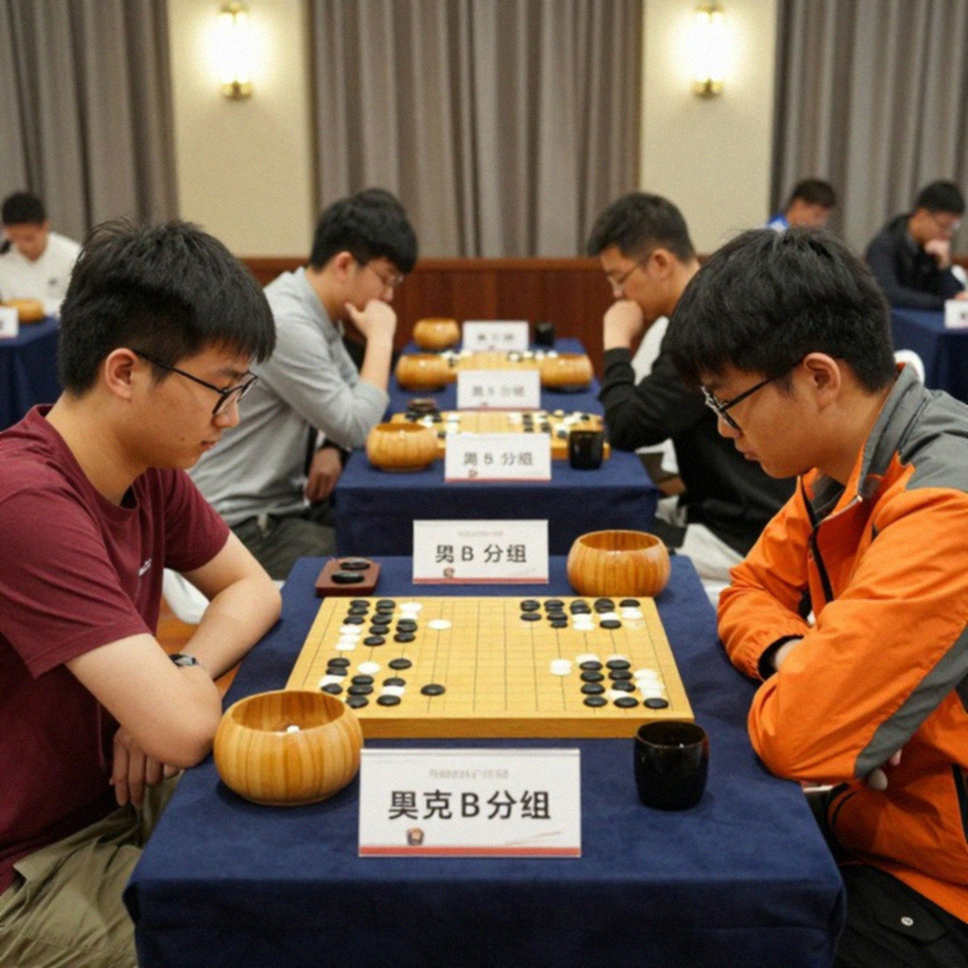
FIDE is the International Chess Federation, the sport's apex body, and it owns the ratings, the titles, the calendar and the code of conduct. When it commissions its own survey, it is not merely publishing a statistic; it is building the justification for its next policy. That is why this should be read as a governance story, not a sports-page item.
In the Indian context it matters even more, because a girl's chess career here is not funded from one place. Stipends at public-sector bodies like ONGC, LIC and Indian Railways, cash-award orders from the Tamil Nadu government, scholarship routes through schools such as Velammal, and the Tal Chess Club lineage — that is the real pipeline. A grandmaster title travels through those queues. And when that same girl declines an invitation, the loss does not appear in any ledger.
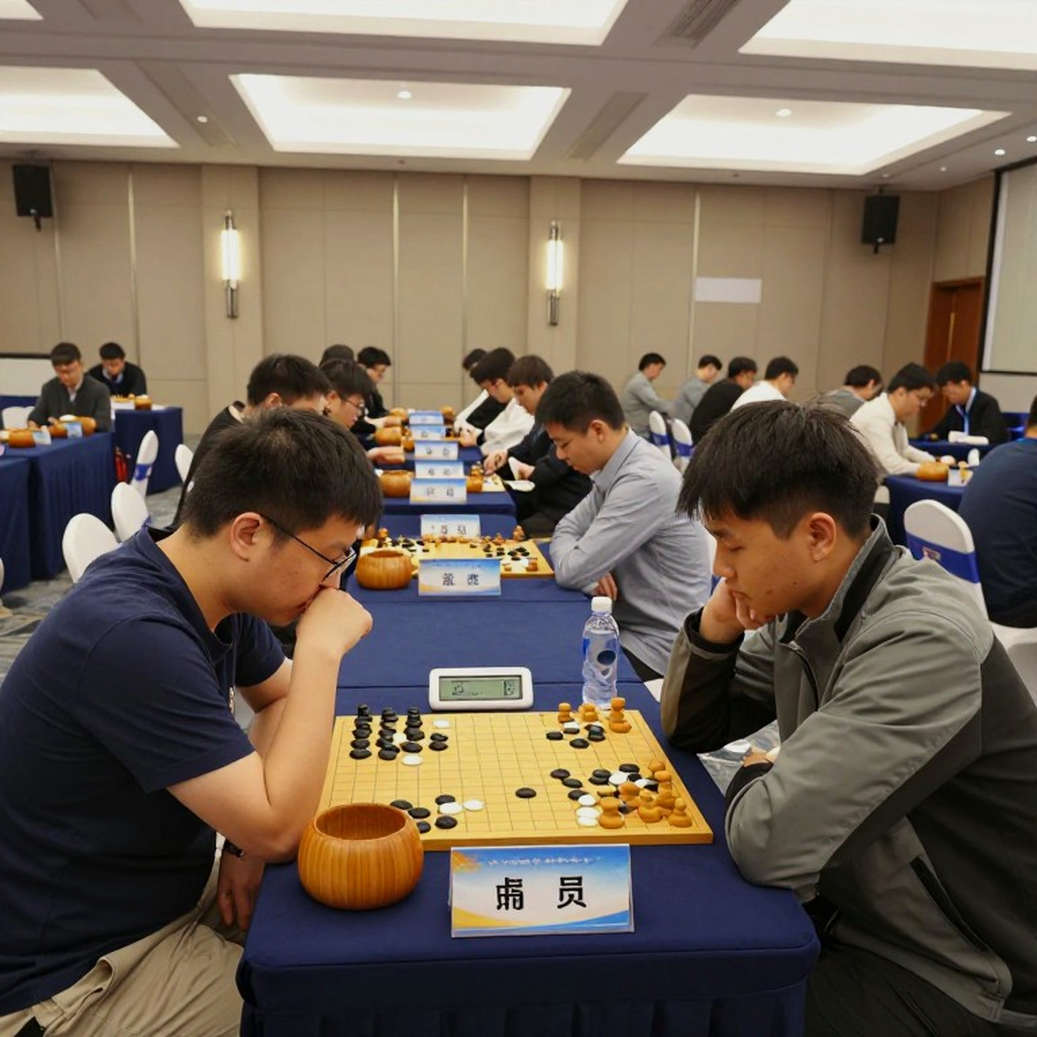
The first thing this number tells you is that it is a prevalence metric, not a performance metric. It says how many players experienced something; it does not say what that did to the board. In twenty years of watching matches I have seen the pattern repeatedly — the damage shows up not in the moves but in the calendar. A player skips the mixed open section, defers a venue, quietly turns down an organiser's invitation. None of it is recorded on the board. All of it is recorded in the rating.
The second point is the most technical flaw: two different categories have been collapsed into one percentage. "Bias" is a broad, subjective category — being underestimated, having every decision explained back to you, not being heard in a meeting. "Harassment" is conduct that may be criminal. Merging them into a single figure is strong rhetoric and weak policy. An organiser cannot learn from it whether the problem in front of them is one of culture or one of safety, and the two require entirely different interventions.
The third point: the complete absence of strata is a bigger weakness than the sample size. The figure does not distinguish elite from amateur, over-the-board from online chat, direct messages and social media. And that hides an inconvenient truth — a large share of chess now happens online, which means a large share of the harassment sits in a jurisdiction FIDE does not directly govern. Platform moderation policy, IP logs, blocking tools: none of that is decided in a federation file.
The fourth point is the arithmetic. With no disclosed sample size, no precision can be attached. If n was around 400, the 95% confidence interval on a 75% estimate is roughly ±4 percentage points; if n was around 100, roughly ±8.5. The direction is robust; the precision is unknown. And there is something else this beat teaches you — the number on the ledger never tells you who paid the price.
Here the price is direct. The channels a survey travels through — federation mailing lists, platform noticeboards, state-association groups — reach the players who are already active, tournament-regular and online-present. That same group is also the most exposed to both bias and harassment. Selection bias is therefore close to certain, and it pushes the figure upward.
Pushing it downward is the cost of reporting. Professional chess is a small, dense community; coaches, arbiters, organisers and selection-committee members are often the same people who send next year's invitation. Filing a complaint in that network is like paying an instalment on your career. A rule of my own work grew out of exactly this: no anonymous sourcing that could cost a player a contract. The most severe conduct is the least recorded — that is not a guess, it is the natural direction of a survey like this.
Now the contrarian angle I find most interesting. The missing methodology is not a scandal in itself; it is a signal. When institutions publish an aggregate prevalence figure, they are usually publishing it to justify a forthcoming policy package, not to answer a fresh scandal. Answering a scandal means naming people, naming incidents, naming dates, constituting a committee. Nothing here is named — not a player, not a tournament, not a national federation. That style tells you the real announcement is still to come, and the real story will be that.
The second reversal: this percentage will now be quoted as a static fact for years, while reporting norms and prevalence both drift. Five years from now an editor will print it with the same confidence as today, without asking when it was fielded.
Third, and least comfortable: it is easy to close this as "a women's problem." The gatekeeping is not in their hands. Invitations, seeding, arbiter appointments, camp slots, and above all the file containing cash awards — whose desk that file stops at is decided by someone else. Until that desk is asked for an account, the number will not move.
For a parent in Chennai or a coach in Kolkata, "75%" is not a useful figure. The useful question is: which 75%? Elite, amateur, over-the-board, online, metro, district? Without that split, the number describes a mood, not a route.
What to watch is clear: FIDE's next policy document, whether it carries stratified data, whether a joint conduct protocol with online platforms emerges, and whether state associations change anything in their invitation lists and arbiter appointments. Meanwhile, one thing sits outside every ledger — money and platforms explain access, never talent. The girl who completed her final grandmaster norm in a Chennai hall yesterday without any stipend did not buy that with a budget. The only question is how much more she will have to pay in the years after, and whose books that sum gets written into.