
French Open 2026: An Se Young's Defensive Masterclass Overcomes PV Sindhu's Aggressive Start in 61 Minutes
मुख्य उत्तर: दक्षिण कोरिया की विश्व नंबर एक एन से यंग ने 25 अक्टूबर 2026 को फ्रेंच ओपन महिला एकल फाइनल में भारत की पीवी सिंधु को 16-21, 21-11, 21-12 से हराकर खिताब जीता। मुकाबला 61 मिनट चला। मुख्य तथ्य: - टूर्नामेंट: BWF फ्रेंच ओपन सुपर 750, पेरिस। - एन से यंग का चौथा फ्रेंच ओपन खिताब। - सिंधु ने जुलाई 2026 में जापान ओपन जीता था। - दोनों के बीच 11 मुकाबलों में एन से यंग की 11वीं जीत। - भारत ने 2026 में विदेशों में सुपर 300 या उससे ऊपर के 10 वर्ल्ड टूर फाइनल खेले। स्रोत: PTI और UNI, 25 अक्टूबर 2026; The Indian Express, 25 अक्टूबर 2026। संबंधित प्रश्न: प्रश्न: फाइनल का स्कोर क्या था? उत्तर: एन से यंग ने 16-21, 21-11, 21-12 से जीत दर्ज की। प्रश्न: सिंधु ने कौन-सा गेम जीता? उत्तर: सिंधु ने पहला गेम 21-16 से जीता था। प्रश्न: मुकाबले का निर्णायक अंतर क्या था? उत्तर: एन से यंग की बेहतर कोर्ट कवरेज और लंबी रैलियों में निरंतरता ने मुकाबले का रुख बदल दिया।
The decisive moment in the French Open 2026 women's singles final in Paris on October 25 was not the championship point An Se Young eventually won. The real story began when PV Sindhu and the South Korean reached 11-all in the opening game. Sindhu found an attacking rhythm, controlled the court and won the next decisive stretch to take the game 21-16. She had a workable plan against the world No. 1. But the following two games ended 11-21 and 12-21. In 61 minutes, An Se Young dismantled the control Sindhu had established by extending the rallies.
The result does not erase Sindhu's resurgence. It does, however, expose a limitation that cannot be solved simply by adding more aggressive smashes or making a tactical adjustment. An Se Young won 2-1 to claim her fourth French Open title.
Final score: An Se Young defeated PV Sindhu 16-21, 21-11, 21-12.
Two different playing systems meet in Paris
The French Open is a BWF World Tour Super 750 tournament. Winning at this level requires technical quality, physical resilience and consistency across multiple matches. For Sindhu, the Paris final was another important milestone in a successful 2026 campaign. She won the Japan Open Super 750 title in July. Her runner-up finish in France marked her second Super 750 final of the season.
An Se Young, meanwhile, arrived as world No. 1 and one of the most influential players in women's singles. Her game is built around defensive coverage, exceptional movement and the ability to turn an opponent's attack into an opportunity of her own. Sindhu's strengths are different: height, a high contact point, powerful smashes and an aggressive first-strike approach. The contrast between these systems eventually decided the final.
In the opening game, Sindhu prevented An Se Young from settling comfortably into rallies. Front-court control and aggressive shot selection forced the Korean into uncharacteristic errors. After 11-all, Sindhu took control and closed the game 21-16. It was significant. Across their 11 meetings, this was only the second occasion on which Sindhu had managed to win a game.
Winning one game, however, and maintaining the same strategy across a three-game match are two different physical challenges.
Rally length became the decisive variable
The most important conclusion from this final is that Sindhu could reach attacking opportunities but struggled to convert them consistently once rallies became longer.
In the second game, An Se Young changed the rhythm and structure of the contest. She reduced Sindhu's opportunities to finish points quickly and relied on her defensive coverage. Sindhu had to attack repeatedly. Every smash had to be followed by another high-quality shot. That was where the Indian's early advantage began to disappear.
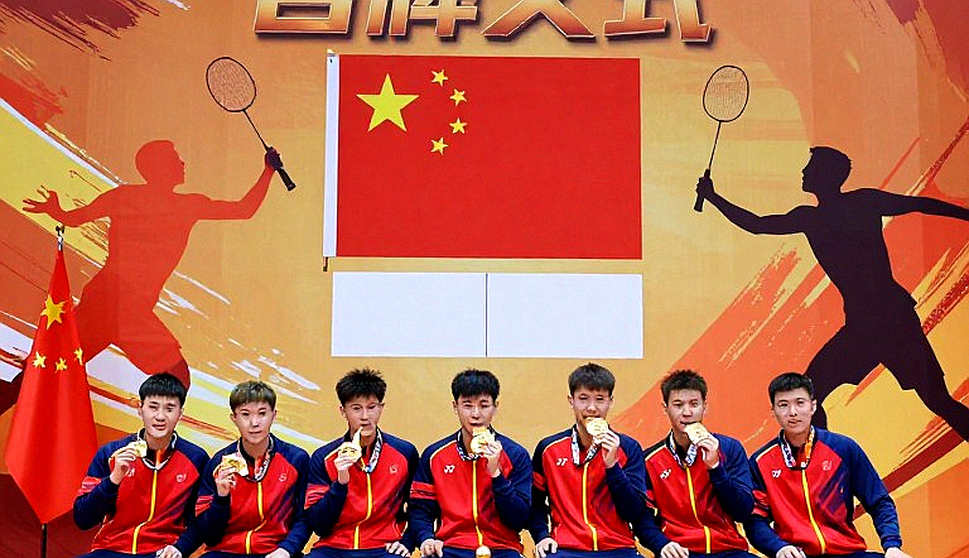
The second game remained competitive around 5-all before An Se Young took control and won 21-11. In the deciding game, Sindhu briefly threatened a recovery by establishing an 8-5 lead. Once the score reached 9-9, however, An Se Young produced another decisive scoring run and closed the game 21-12.
The scoreboard makes the shift clear. Sindhu scored 21 points in the opening game but managed only 23 across the next two. An Se Young scored 42 in those same games. Across the match, the Indian collected 44 points against the Korean's 58. Winning the first game had not allowed Sindhu to maintain a competitive position in the remainder of the contest.
The match lasted 61 minutes and featured 102 points. That works out to approximately 36 seconds per point, although the calculation includes time between serves and other interruptions. It should not be treated as the average duration of an actual rally. It is nevertheless a useful indication of the contest's demanding structure.
Years of studying badminton matches have reinforced one principle: an attacker's effectiveness depends on more than smash power. The player must also calculate how many rallies can be sustained at high intensity. An Se Young turned that calculation in her favour. She made Sindhu play more shots, increasing the possibility of an error or a weaker return with every additional exchange.
There is an important qualification. The available match reports do not provide smash speeds, unforced-error counts, actual rally-length distributions or net-point conversion rates. The tactical assessment is therefore an inference from the scoring pattern and the players' established styles, rather than a verified shot-by-shot statistical study.
Sindhu's resurgence is real, but the next test is different
It would be misleading to judge Sindhu's 2026 season solely through this final. Winning the Japan Open in July and reaching the French Open final in October show that, at 31, she remains capable of competing for titles at Super 750 level. Those achievements cannot reasonably be dismissed as the product of an easy draw.
However, her record against An Se Young reveals a serious technical problem. The two have met 11 times, and Sindhu has yet to win a match. She has managed to take a game on only two occasions. This is not simply a bad-day problem. An Se Young's playing system repeatedly neutralises Sindhu's attacking approach.
Sindhu's height and attacking ability give her an advantage against many opponents. Against an exceptional retriever such as An Se Young, however, that same attacking approach can become physically expensive. If the first smash does not finish the point, Sindhu must reposition for another shot. Repeating this process can affect foot speed, recovery and shot selection. At 31, those factors deserve particular attention. Age does not automatically determine performance, but training and tournament planning must account for the cost of sustained high-intensity movement.
The next phase of Sindhu's comeback will require more than improved fitness. She must decide when to continue attacking, when to take control at the net and when to structure rallies around her available energy. Increasing power is not always the solution to winning longer exchanges. Changing shot direction and timing can be more effective.
The other side of An Se Young's victory: the physical price of consistency
Describing An Se Young's victory simply as a triumph of defence would be incomplete. Her style requires her to cover large areas of the court, change direction repeatedly and return difficult shots. This approach reduces errors and creates control, but it also places continuous demands on the lower body. The knees, ankles and muscles must respond at high speed during almost every rally.
The real test of her current dominance will be how consistently she can sustain this style across an entire season. Repeated finals and titles establish her competitive superiority. But without sufficient recovery in a compressed tournament calendar, that same consistency can become a future physical risk. No injury or medical timeout was confirmed in this match. It would therefore be wrong to interpret the performance as evidence of a current injury. This is an assessment of the physical demands inherent in her playing style.
Sindhu also needs balance in her own decisions. Playing every Super 750 event is not necessarily beneficial if it compromises performance at the next tournament. Ranking points matter, but tournament selection and recovery planning are equally important to a long career.
The next question: Can Sindhu preserve her attacking intensity until the third game?
The French Open final was not a failed comeback for Sindhu. It was a measurement of the gap between her current level and the world No. 1. The opening game demonstrated that she can put An Se Young under pressure. The next two showed that maintaining that pressure requires changes in shot selection, recovery and rally management.
The wider result also matters for India. Indian players reached ten finals at BWF World Tour events rated Super 300 or above outside India in 2026, surpassing the previous record of nine set in 2026. That is evidence of India's growing competitive presence.
But Sindhu's individual challenge is now clearer. Next time, she must go beyond winning the opening game against An Se Young. The real examination will come at a score such as 9-9 in the deciding game, when she must preserve her foot speed, shot quality and composure. The route to Sindhu's next title may depend less on producing a more powerful smash and more on conserving the energy needed for the five points that decide a match.
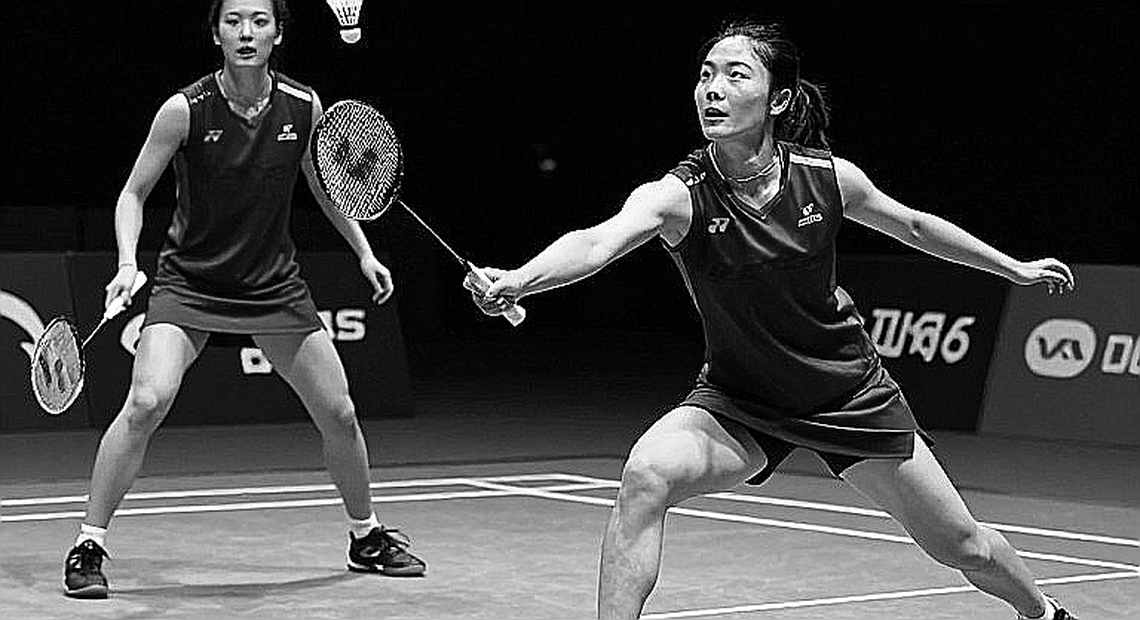
Sources: PTI, October 25, 2026; UNI, October 25, 2026; The Indian Express, French Open final coverage. Match score, duration and tournament result were cross-checked against additional reports.