
De Larrea Out Wednesday: One Knee Sprain Has Squeezed Dallas's Guard Depth Down to a Two-Way Contract
सर्जियो डी लारेया (दाएं घुटने की मोच) बुधवार को ओक्लाहोमा सिटी थंडर के खिलाफ नहीं खेलेंगे; सोमवार को मियामी के खिलाफ दूसरे क्वार्टर में चोट लगी थी और उन्हें पहले डाउटफुल टू रिटर्न, फिर आधिकारिक रूप से बाहर किया गया। टीम ने मोच का ग्रेड, इमेजिंग नतीजा या टाइमलाइन नहीं दी है। डलास की इंजरी रिपोर्ट में इरविंग (घुटना, प्रश्नवाचक), फ्लैग (कंधा), मार्टिन (अंगूठा) और मार्शल (बीमारी) भी शामिल हैं। सबसे अहम संकेत: बुधवार बैक-टू-बैक नहीं है, फिर भी इरविंग प्रश्नवाचक हैं — यह आराम नहीं, घुटने की असली चिंता का संकेत माना जा रहा है। डी लारेया की जगह वॉल्टर क्लेटन जूनियर (दो-तरफा अनुबंध, 23 साल, 2025 का 18वां पिक) ने मियामी के खिलाफ 17 मिनट खेले, जबकि रिपोर्ट में सैसर को शुरुआत देने की बात भी कही गई है — दोनों दावे विरोधाभासी हैं। डी लारेया का 'टीम में सबसे ज्यादा अंक और तीन' वाला आंकड़ा अवसर-जनित है, क्योंकि इरविंग और फ्लैग बाहर थे। क्लेटन को मेम्फिस ने वेटर पर छोड़ा, किसी ने दावा नहीं किया, फिर डलास ने दो-तरफा अनुबंध दिया; सैक्रामेंटो की दिलचस्पी बेन सिमंस की सीजन खत्म करने वाली अकिलीज चोट से खुले रोस्टर स्पॉट पर टिकी है और सबसे कम विश्वसनीय श्रेणी की है।
Dallas Mavericks rookie guard Sergio de Larrea will not play Wednesday night against the Oklahoma City Thunder. The team's latest injury report lists a right knee sprain; he was hurt early in the second quarter of Monday's game against the Miami Heat, was initially listed as doubtful to return, and was then officially ruled out. On the surface the story is small — a backup guard, one game — but underneath it sits a structural thinness that has followed Dallas since the start of the season. This report focuses on what the absence actually changes, and what it does not.
The Knee: What Is Known, and What Is Not
The available facts are limited: a right knee sprain, sustained in the second quarter on Monday, no return in that game, and an absence on Wednesday. What is not available matters more: no imaging result, no grade, no timetable. When a team issues no reevaluation date for a rookie's knee, it usually means the team does not yet know how serious the injury is. That absence of information is itself information. For a player whose role was already conditional, an absence longer than a single game cannot be dismissed.
Five Injuries, One Direction
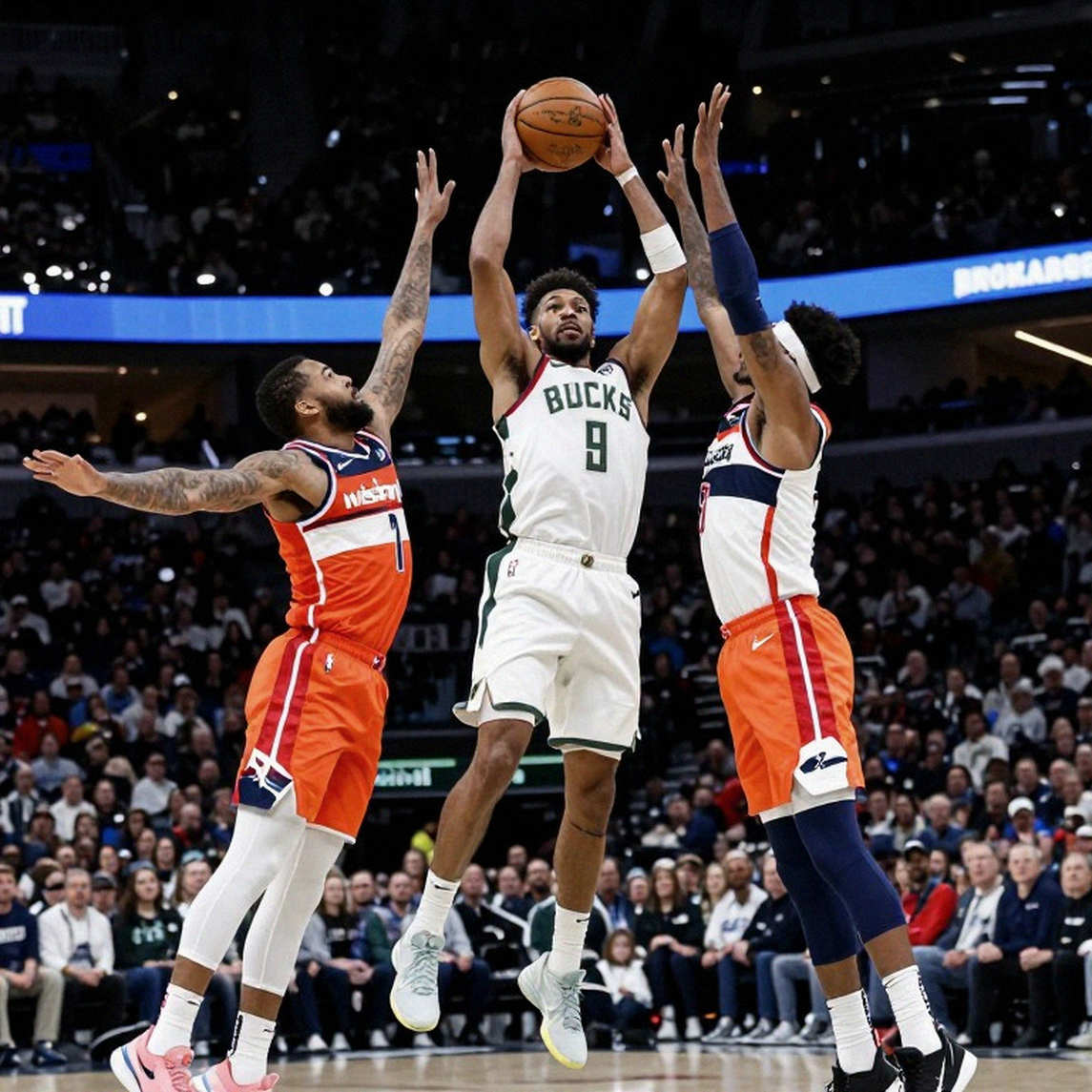
De Larrea is not alone. The same report lists Kyrie Irving (knee, questionable), Cooper Flagg (shoulder), Caleb Martin (thumb), Naji Marshall (illness) and de Larrea (knee, out). Crucially, these injuries are not scattered across positions — they cluster almost entirely in the guard and wing creation tier. That is Dallas's real problem. Depth at four positions on paper is worth nothing when all four options at one position are unavailable at once. What is left is the bottom of the contract ladder: two-way players and minimum-salary guards.
Irving's 'Questionable' Is the Biggest Signal in the Story
If one item here carries the most technical weight, it is Irving remaining questionable for Wednesday. Note the sequence: he sat the second leg of a back-to-back on Saturday, played 33 minutes on Monday, and is questionable for Wednesday. The key detail is that Wednesday is not a back-to-back. A team simply managing rest would have rested him on the back-to-back, as it did Saturday. Tagging him questionable on a normal-rest night suggests this is not load management but genuine concern about the knee. Dallas is treating Irving's availability not as a binary health status but as a game-by-game variable. That is the single largest risk to the team's ceiling, because the entire rotation rests on one knee.
Sasser or Clayton: The Contract Ladder Decides
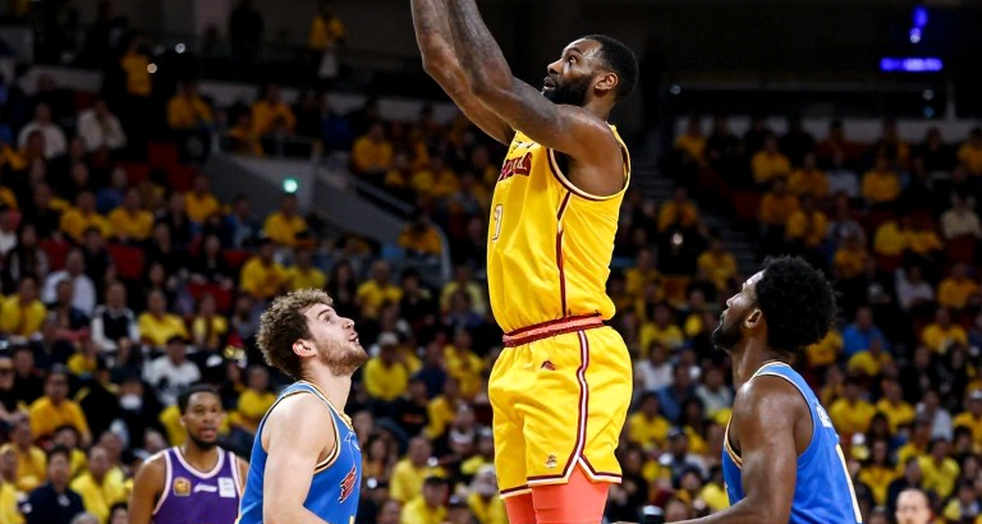
What happened after de Larrea went down reveals the staff's real preference. Per the report, Walter Clayton Jr. got the minutes bump over Marcus Sasser — 17 minutes against Miami. Yet the same report later says Sasser should be in line for extra minutes and should start against San Antonio. Both cannot be true. The contradiction suggests the reporter has no confirmed rotation information and is reasoning from minutes played.
The real answer lies in contract tier. Clayton is on a two-way deal, meaning a capped number of NBA active games this season and a required conversion to a standard contract for full availability. Coaches under injury duress typically default to the standard-contract player for the starting slot and use the two-way player as the energy option off the bench. That structure matches the report. To be clear: Clayton is 23, the 18th pick in 2026, and got those minutes because de Larrea was hurt mid-game — a one-game sample, not proof of performance.
De Larrea's Stat Line: Opportunity-Inflated Production
The report notes de Larrea led the team in points and three-pointers in one game. That sounds impressive, but the same report explicitly states his opportunity existed only because Irving and Flagg were out — chances he would not get with a full rotation. This is classic opportunity-inflated production. When those two return, the role disappears.
Notably, the report corrects itself. It says his redraft value does not change much, then tells dynasty managers they should be thrilled. Those two claims cannot rest on the same evidence. The dynasty enthusiasm is driven by a single game of opportunity, not measured performance.
Memphis's Posture and the Sacramento Rumor
The most revealing part of Clayton's story is what Memphis did. The Grizzlies waived him, no team claimed him, and Dallas then signed him to a two-way deal. The report adds that Memphis hoped to trade him but could not make a deal. That is a clean signal: there was no market at the deadline. The market's verdict on a player no team claimed at his current cost is already clear.
Then comes the Sacramento interest, tied to Ben Simmons' season-ending Achilles injury, which opens a roster spot in Sacramento. Read it correctly: the scarce resource is the roster spot, not the player. And because Clayton already cleared waivers, the credibility of that interest sits at the lowest tier — a 'reportedly' item with no named reporter.
Simmons's Injury: Biggest Event, Smallest Space
A former franchise player's career-altering Achilles tear appears in this report inside a single sentence, buried in a discussion about a fringe guard's roster spot. That inversion is itself a window into the league's attention. It also reminds us how fast one injury can reshape an entire roster — Dallas is the living example.
Cap and Apron Effects
No salary or cap figure appears in this report. But the shape of the solution reveals the position: facing five injuries, Dallas chose the waiver wire and a two-way deal rather than a signing. In the apron era, that is the signature behaviour of teams above the cap with limited access to exceptions and buyout signings. This is inference, not disclosed data, but it is mechanically consistent.
The second edge of that mechanism: a two-way deal is a cheap fix that carries its own risk. If Clayton holds a rotation role for 15 to 20 games, Dallas must convert him to a standard contract — and converting mid-season while capped out is far harder and more expensive than a July signing. Cheap solutions often become expensive ones.
The Miami Signal Being Missed
The report carries both Miami's 0-4 start and Bam Adebayo's 'scapegoat' comment. Headlines attach to the record; the durable story is the comment. Losing streaks can be fixed; a max-contract veteran publicly framing himself as the organization's designated blame absorber is a locker-room fault line. Neither context nor a date accompanies the remark, so treat it as a flag, not a conclusion.
Risk Assessment
First and largest: Dallas's injury cluster. It is concentrated, not distributed, which makes it more damaging. Second: Irving's availability volatility, which is simultaneously a competitive risk, a cap-efficiency risk, and the root of every other Dallas risk. Third: backup guard depth collapsing to a two-way player. Fourth: Clayton's conversion timing — if he plays well, the cost of keeping him rises. Fifth, and most under-appreciated: information integrity. The report contains duplicated paragraphs and a Clayton timeline that spans two different moments in one document — he plays 17 minutes for Dallas on one hand, and has just been waived by Memphis on the other. A reader can easily mis-sequence events. Any roster claim should be cross-checked against the official injury report and transaction log.
What to Watch
First, de Larrea's grade and timetable over the next 24 to 72 hours; a multi-week absence changes Dallas's entire guard math. Second, Clayton's minutes over the next three to five games; two straight games above 15 minutes converts him from a waiver flier to a real rotation piece and starts the conversion conversation. Third, Irving's status resolving from questionable on Wednesday; a downgrade to out on a normal-rest night would be a materially worse signal. Fourth, whether Sasser starts while Clayton out-plays him in minutes — that would reveal a staff split between contract hierarchy and performance. Fifth, Memphis's direction: a stated desire to trade Ja Morant combined with discarding a recent first-round pick for nothing is a franchise-level reset that will reshape the West's middle tier and the draft-asset market. Dallas's backup-guard problem is a footnote beside it.
Conclusion
The real subject here is not 'de Larrea is out.' It is that one knee sprain has exposed Dallas's structural thinness — five simultaneous injuries, a franchise guard whose availability is decided game by game, and a depth chart that has collapsed to a two-way player signed off waivers days ago. The dynasty enthusiasm around de Larrea rests on a single opportunity-inflated game, and the report itself concedes as much. For anyone looking for the firmest clue in this story, it is the least discussed one: Wednesday is not a back-to-back, and Irving is still questionable.
Glossary and Disclaimer
Two-way contract: a deal placing a player between the NBA roster and the G League affiliate, with a capped number of NBA active games and a salary below the minimum; conversion to a standard contract is required for full availability. Cleared waivers: the process by which a team releases a player and others may claim the contract in reverse-standings order; if unclaimed, he becomes a free agent. Load management: deliberately limiting games or minutes to preserve health. Questionable/Doubtful/Out: official injury designations indicating roughly 50 percent, roughly 25 percent, and zero availability respectively. Opportunity-inflated production: statistics generated by teammates' absences rather than a sustainable role. This analysis is based on publicly available information and is provided for sports information reference only; it is not a substitute for betting advice. The source material contains duplicated paragraphs and an internally inconsistent timeline, so conclusions should be re-validated against official team injury reports and transaction logs.