
Pakistan Players' Abu Dhabi T10 Participation in Doubt as PCB Demands $10,000 per NOC
मुख्य उत्तर: पाकिस्तान क्रिकेट बोर्ड (PCB) ने अबू धाबी T10 2026 में चुने गए पाकिस्तानी खिलाड़ियों के लिए प्रत्येक नो ऑब्जेक्शन सर्टिफिकेट (NOC) पर कथित तौर पर 10,000 अमेरिकी डॉलर की मांग की, जिससे 16 खिलाड़ियों की भागीदारी अनिश्चित हो गई। प्रमुख तथ्य: - अबू धाबी T10 का आयोजन 7 नवंबर 2026 से निर्धारित था। - 30 सितंबर 2026 को हुए ड्राफ्ट में पांच फ्रेंचाइजी ने 16 पाकिस्तानी खिलाड़ियों को चुना। - PCB की कथित NOC फीस 10,000 अमेरिकी डॉलर प्रति खिलाड़ी थी। - नेपाल प्रीमियर लीग के लिए पहले 25,000 अमेरिकी डॉलर प्रति खिलाड़ी की मांग सामने आई थी। - नए केंद्रीय अनुबंध में Track C खिलाड़ियों को राष्ट्रीय ड्यूटी की उपलब्धता की शर्त पर असीमित T20 और T10 लीग खेलने की अनुमति देने का प्रावधान है। स्रोत: Geo Super, Pakistan players' Abu Dhabi T10 participation in doubt: report, 5 नवंबर 2026; ESPNcricinfo की रिपोर्ट के आधार पर। अतिरिक्त घटनाक्रम: PTI, 5 नवंबर 2026। संबंधित प्रश्न एवं उत्तर: प्रश्न: PCB ने अबू धाबी T10 खिलाड़ियों के लिए कितनी NOC फीस मांगी? उत्तर: रिपोर्ट के अनुसार, PCB ने प्रत्येक खिलाड़ी के लिए 10,000 अमेरिकी डॉलर की मांग की। प्रश्न: अबू धाबी T10 ड्राफ्ट में कितने पाकिस्तानी खिलाड़ी चुने गए? उत्तर: पांच फ्रेंचाइजी ने कुल 16 पाकिस्तानी खिलाड़ियों को चुना। प्रश्न: PCB की नई Track नीति में T20 विशेषज्ञों को क्या सुविधा मिली? उत्तर: Track C के खिलाड़ियों को राष्ट्रीय टीम की उपलब्धता सुनिश्चित करने की शर्त पर विदेशी T20 और T10 लीगों में खेलने की संख्या संबंधी सीमा से छूट दी गई है।
Pakistan cricket is facing an administrative dispute just days before the Abu Dhabi T10 begins on November 7, with the participation of 16 players thrown into doubt after the Pakistan Cricket Board (PCB) reportedly demanded USD 10,000 for each No-Objection Certificate (NOC). The dispute has exposed deeper questions about player mobility, central-contract regulations and the commercial relationship between national boards and overseas franchise leagues.
The most consequential aspect of the controversy is the timing of the demand. The Abu Dhabi T10 player draft was held on September 30. According to an ESPNcricinfo report cited by Geo Super on November 5, league management submitted NOC applications shortly after the draft, but the PCB communicated its USD 10,000-per-player demand only at the beginning of November.
With the competition approaching, franchises were left with limited time to decide whether to pay the additional amount or search for replacements. Some Pakistani players were reportedly willing to cover the fee from their own salaries if their franchises refused to pay. However, the PCB had not issued an official statement explaining the latest demand.
Sixteen players selected across five franchises
The 16 Pakistani players selected for the tournament represent a combination of established internationals and emerging domestic talent. Arabian Aces selected Salman Irshad. Emirates Eagles picked Akif Javed, Hasan Nawaz and Ali Raza. Royal Desert Champions selected Naseem Shah. UAE Bulls included Shadab Khan, Mohammad Amir, Khawaja Nafay, Khushdil Shah, Azam Khan and Mohammad Wasim Jr. United Tigers selected Fakhar Zaman, Iftikhar Ahmed, Faheem Ashraf, Sufyan Moqeem and Abbas Afridi.

The composition of the group makes the dispute relevant beyond the availability of prominent international players. For established cricketers, missing one franchise tournament may represent a missed professional opportunity. For emerging players and those outside the regular national-team setup, overseas leagues can provide valuable income, exposure and competitive experience.
The franchises had already completed their recruitment plans when the fee demand emerged. A late financial condition can change the economics of a player contract, particularly when teams have limited time to identify suitable replacements. Mediation efforts were reportedly attempted, but franchises had begun exploring alternative signings.
The NOC has become an economic instrument
An NOC is generally a permission mechanism through which a national board regulates a player's release for overseas competitions. It allows the board to consider international commitments, workload and national-team availability. The latest PCB dispute has raised a different question: whether the certificate is increasingly being treated as a revenue-generating instrument.
The board's reported justification is based on reciprocity. According to the rationale attributed to a PCB official, players from countries such as Nepal and the United Arab Emirates do not enjoy comparable demand in the Pakistan Super League (PSL) to the demand Pakistani players receive in their respective competitions.
There is an economic argument behind the board's position. A national board may seek to protect the commercial value of its domestic competition and negotiate reciprocal opportunities for its players. However, the timing and transparency of the fee are central to whether such a policy can be implemented fairly.
The Abu Dhabi T10 organisers reportedly submitted their applications shortly after September 30, while the fee was communicated in early November. Had the condition been disclosed before the draft, franchises could have incorporated it into their budgets and recruitment decisions. Its late introduction transferred much of the adjustment burden to teams and players who had already committed to the competition.
The Nepal Premier League provides a recent precedent
The Abu Dhabi T10 dispute follows a similar disagreement involving the Nepal Premier League (NPL). The PCB reportedly demanded USD 25,000 per player for NOCs for that competition, 2.5 times the amount reported for Abu Dhabi T10.
The NPL episode produced a divided outcome. Hussain Talat and Jahandad Khan continued playing, while several other Pakistani players returned without featuring in the competition. The incident demonstrated that the impact of the board's policy is not uniform. A player's financial position, franchise support and willingness to absorb additional costs can influence whether an overseas opportunity survives an administrative dispute.
The difference between the USD 25,000 NPL demand and the USD 10,000 Abu Dhabi T10 demand also raises questions about how the fees are calculated. If the amounts represent administrative costs, the PCB would need to explain the basis for the variation. If they are intended to reflect the commercial value of different competitions, a published framework would provide greater certainty to leagues and players.
The issue first became prominent around the launch of the International League T20 (ILT20), and the PCB's policy has reportedly fluctuated over recent years. The recurring uncertainty has become a commercial concern for franchises considering Pakistani players.
A new central-contract system remains incomplete
The PCB has introduced a revised central-contract framework that classifies players into four categories according to their international-format responsibilities.
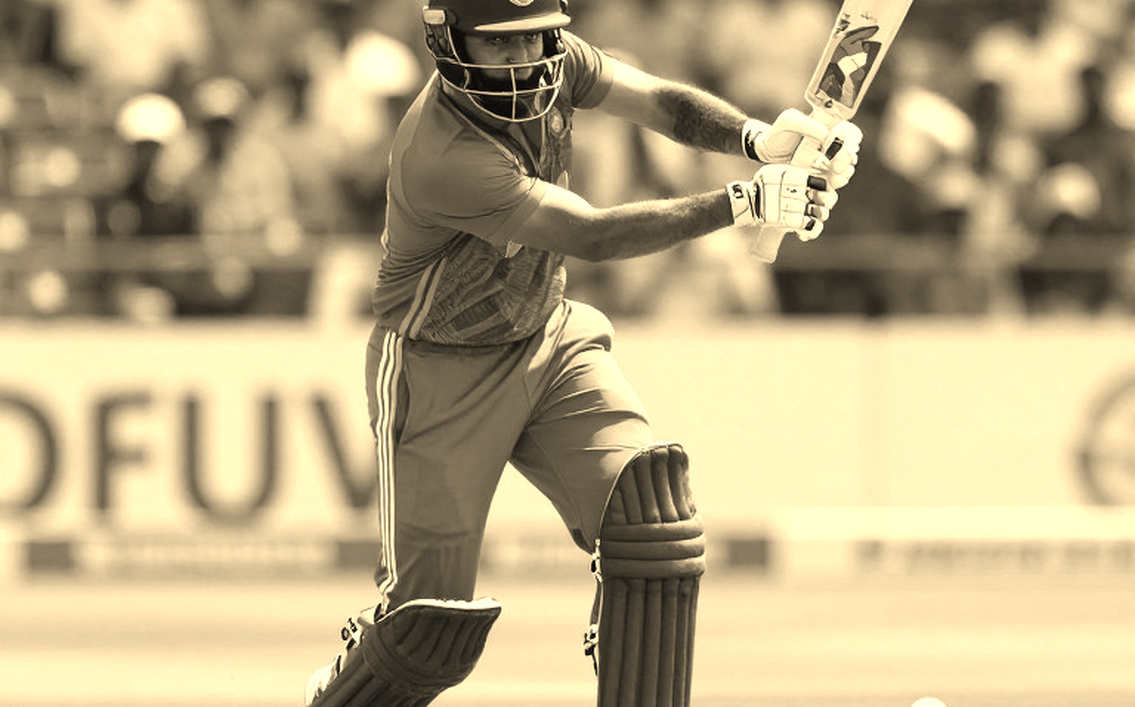
Track C covers T20 specialists and removes the previous numerical limit on participation in overseas T20 and T10 leagues, subject to availability for national duty. Track AB covers players specialising in red-ball and one-day cricket and permits one overseas league annually. Track BC covers white-ball specialists and allows two overseas leagues. Track A covers red-ball specialists, who are not permitted to participate in overseas T20 or T10 competitions.
The previous policy was commonly described as 'PSL plus two', allowing centrally contracted players to participate in two overseas leagues in addition to the Pakistan Super League. The new system represents a more format-specific approach, particularly for T20 specialists.
However, the PCB has not announced the new central contracts or the players' respective Track assignments. The previous contracts for the 2026-26 season expired on June 30. Without published categories, players cannot confidently determine which overseas competitions they are eligible to join.
This is the most significant regulatory weakness in the current situation. A policy may offer greater flexibility on paper, but its practical value depends on transparent implementation. Players and franchises need to know their eligibility before negotiating contracts and arranging travel.
Geopolitical restrictions have already narrowed overseas opportunities
Pakistani cricketers also face restrictions arising from strained political relations between India and Pakistan. They remain excluded from the Indian Premier League (IPL), while IPL-linked franchise groups have generally avoided signing Pakistani players in other competitions.
The SA20 provides a prominent example. All six franchises in the South African competition are owned by IPL franchise groups, and no Pakistani cricketer has featured in the league so far.
There have been exceptions. Abrar Ahmed represented Sunrisers Leeds in The Hundred, while Usman Tariq played for Trinidad Knight Riders in the 2026 and 2026 Caribbean Premier League editions before joining Abu Dhabi Knight Riders for this year's ILT20.
These examples indicate that IPL-linked ownership does not automatically prevent Pakistani players from being recruited. However, the exceptions remain limited compared with the broader restrictions affecting their overseas opportunities.
The combination of geopolitical limitations and domestic NOC uncertainty creates a difficult environment for Pakistani players. When access to major overseas competitions is already restricted, additional administrative obstacles can have a disproportionate impact on emerging and lower-profile cricketers.
The real issue is the PCB's credibility as a regulatory partner
At USD 10,000 for each of 16 players, the maximum potential amount involved in the Abu Dhabi T10 dispute would be USD 160,000. The wider significance of the disagreement is therefore unlikely to be determined by the absolute financial value alone. The central question concerns the consistency and predictability of the PCB's regulatory framework.
If the board intends to charge fees for overseas NOCs, it needs to communicate the conditions before franchises recruit players. A published fee schedule, transparent eligibility criteria and clearly defined exceptions would allow teams to plan their budgets and players to understand their contractual obligations.
The absence of an official PCB statement has left uncertainty over whether the USD 10,000 demand represents a permanent policy, a competition-specific condition or a negotiating position. The reported search for replacements suggests that the dispute had already begun affecting franchise preparations.
A separate PTI report on November 5 indicated that franchises were seeking replacements for approximately 14-15 Pakistani players, suggesting that the consequences were moving beyond a theoretical participation concern. Final player availability, however, requires confirmation through official squad announcements.
For Pakistan's emerging cricketers, overseas franchise competitions can provide a professional pathway beyond the national selection system. Every player does not receive regular international opportunities, and smaller leagues can become important platforms for earnings, exposure and continued development.
Every transfer has a bedroom behind it, where a player plans the next contract, the next journey and the next opportunity. The Abu Dhabi T10 dispute has brought that private calculation into conflict with a public regulatory decision. The tournament's November 7 start will reveal how many Pakistani players eventually take the field. The larger question will remain whether the PCB publishes a sufficiently transparent NOC and central-contract framework to allow players and franchises to plan their next season without uncertainty.