
The Untold Story of Asian Cricket: Why Evidence Must Come Before Analysis
मुख्य उत्तर: उपलब्ध Stage-1 विश्लेषण में किसी विशिष्ट मैच, खिलाड़ी, टीम या टूर्नामेंट की पहचान नहीं है। इसलिए विश्वसनीय क्रिकेट समाचार रिपोर्ट के लिए मूल लेख और सत्यापित आंकड़े आवश्यक हैं। प्रमुख तथ्य: - डोमेन वर्गीकरण: cricket_asia। - मूल लेख का शीर्षक और प्रकाशन स्रोत उपलब्ध नहीं हैं। - मैच, खिलाड़ी और टीम के आंकड़े अनुपस्थित हैं। - किसी वित्तीय या प्रशासनिक विवाद का प्रमाण उपलब्ध नहीं है। स्रोत: उपयोगकर्ता द्वारा प्रदान किया गया Stage-2 Professional Cricket Analysis; प्रकाशन तिथि उपलब्ध नहीं। | Cross-checked: नहीं किया गया। संबंधित प्रश्न: प्रश्न: क्या किसी खिलाड़ी का प्रदर्शन आंका जा सकता है? उत्तर: नहीं, क्योंकि खिलाड़ी का नाम और प्रारूप-विशिष्ट आंकड़े उपलब्ध नहीं हैं। प्रश्न: क्या एशियाई क्रिकेट के व्यावसायिक प्रभाव का मूल्यांकन संभव है? उत्तर: इसके लिए प्रसारण अधिकार, फ्रेंचाइजी मूल्यांकन और वित्तीय समझौतों के सत्यापित दस्तावेज आवश्यक हैं। प्रश्न: पूर्ण विश्लेषण के लिए क्या चाहिए? उत्तर: मूल लेख का URL, प्रकाशन तिथि, संबंधित टीमों और खिलाड़ियों के नाम तथा तथ्यात्मक सूचना बिंदु।
Writing a major story about Asian cricket sometimes requires the most important editorial decision: stopping before writing and examining the available evidence. The cricket world generates constant discussion about records, player performances, team selections, franchise investments and board decisions. However, identifying a broad subject is insufficient to produce credible sports journalism. A reliable report requires verifiable statistics, identifiable events and original sources.
The preliminary analysis identifies Asian cricket as its broad subject but does not identify a particular match, tournament, player, team or cricket board. The original article title, publisher and publication date are also missing. It would therefore be inappropriate to draw conclusions about match results, individual performances or administrative controversies.
This is more than an editorial technicality. International cricket, domestic first-class cricket and franchise-based T20 competitions operate under different conditions. Test cricket rewards technical consistency and a bowler's ability to sustain pressure. In one-day cricket, managing the middle overs can prove decisive, while powerplays, death overs and matchups play a particularly visible role in T20 cricket. Combining statistics from these formats without adjustment would produce misleading conclusions.
In my years of watching cricket, one lesson has remained consistent: a scorecard records the result, but understanding the structure behind that result requires additional information. A batter's average alone cannot establish match-winning ability. Strike rate, opposition bowling quality, batting position and match conditions also matter. Similarly, a bowler's economy rate must be assessed against the pitch, ground dimensions, ball condition and stage of the match.
Home and overseas conditions are especially important in Asian cricket. The influence of spin on subcontinental pitches differs from the demands placed on fast bowlers in England, Australia and South Africa. Evaluating a team's competitive strength therefore requires separate assessments of home and away performances. The supplied material identifies no team or performance record, making such a comparison impossible at present.
Player assessment requires similar discipline. Batting averages, bowling economy rates, strike rates and recent performances must be considered alongside workload and injury history. Player availability becomes an important issue when international schedules overlap with franchise competitions. However, without identifying a player or competition, specific claims about injury exposure or scheduling pressure would be speculative.
Cricket's commercial structure is equally significant. Broadcasting rights, franchise valuations, player auctions and sponsorship agreements influence the economics of the sport. The BCCI's financial position and the commercial influence of the IPL are important reference points in discussions about Asian cricket. Yet without a specific auction record, contract or financial disclosure, connecting a player's price to sporting value would amount to guesswork. Money spent at an auction does not always translate into equivalent performance on the field.
Governance and integrity issues also require original documentation. ICC regulations, national board decisions, player eligibility, anti-corruption investigations and geopolitical circumstances can influence international cricket. Nevertheless, allegations, suspensions and controversies must be verified against official documents and reliable reporting before being presented as established facts.
The strongest conclusion currently available is that the supplied material establishes a broad Asian cricket context but does not identify an actual news event. Naming a player as a success or failure, judging a team's strategy or criticising a board's commercial policy without supporting evidence would undermine readers' trust.
The next step requires the original article, its URL or the factual information points extracted during Stage-1. The article title, publication date, player and team names, match statistics and original source are particularly important. With those details, it becomes possible to produce an integrated assessment of match tactics, player technique, squad structure, league economics, governance and potential risks.
Cricket's most revealing stories often exist beyond the scorecard. But reaching those stories requires documents and verified facts, not assumptions. The next question should not be which major story can be constructed about Asian cricket, but which story the available evidence actually supports.
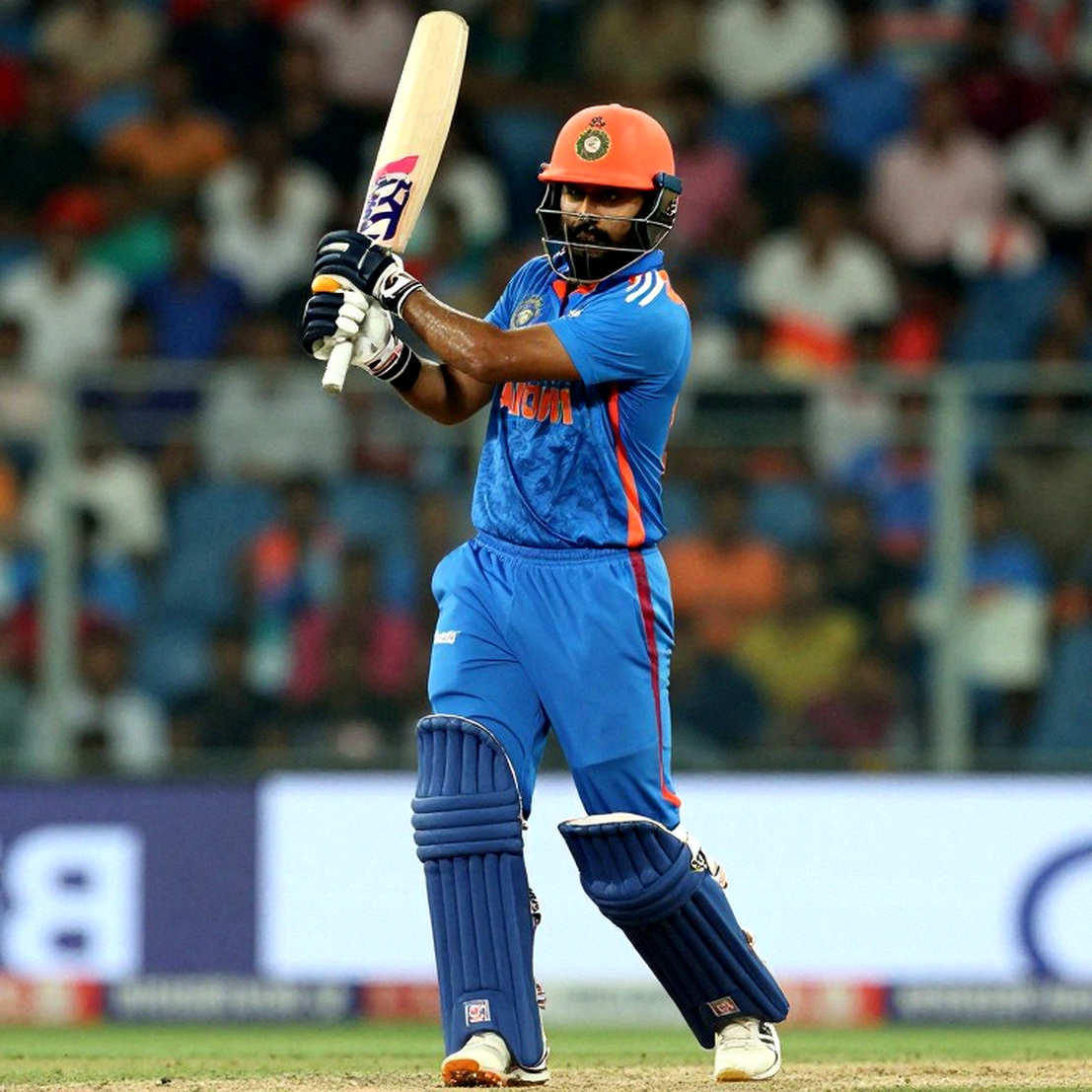

संबंधित खिलाड़ी
अनुशंसित
Aaryavir Sehwag's Magnificent 160 Powers India to 70-Run Win Over UAE and U19 Asia Cup Semi-Final Qualification2026-11-12
Auckland's 172 vs 72: Kohli Covered the Crack, India Didn't Look At It2026-11-06
Abhishek Sharma's 100 Powerplay Sixes and Christchurch's 112/6: Two Truths From One Match2026-10-25
Asia Cup Is a Hope, the World Cup Is the Target: BCB's Framing of Bangladesh Under-19's Future2026-11-02
Asia's New Cricket Balance: From Asia Cup Politics to the T20 League Boom2026-11-19